Super Mario Bros. at 41: Why the 1985 Classic Still Matters
Super Mario Bros. turned 41 on 13 September 2026. A look at what made the NES classic so influential and how its ideas live on in fan games today.
5 min read
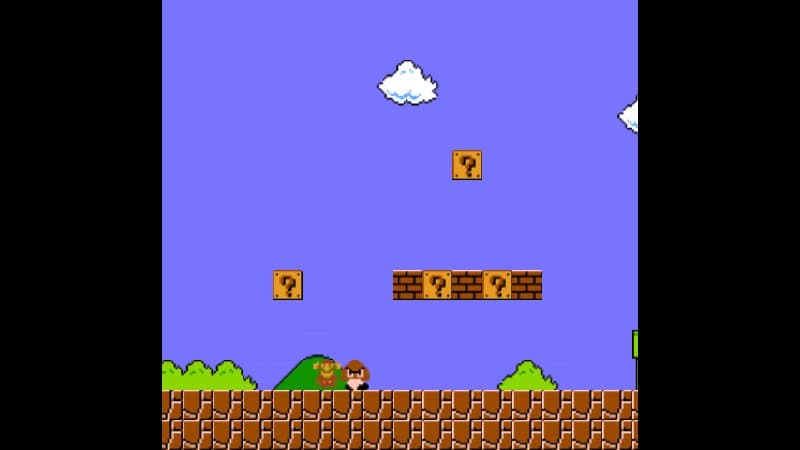
On 13 September 1985, Nintendo released Super Mario Bros. for the Famicom in Japan. Last month the game turned 41, and its influence is everywhere — including every game on this site.
A game that defined a genre
Side-scrolling games existed before 1985, but Super Mario Bros. combined smooth scrolling, a large world of 32 levels, precise and weighty controls, power-ups and secrets in a way nobody had before. It became one of the best-selling games of all time and helped revive the home console market in North America after the crash of 1983.
The controls
Players often say Mario “feels right”. That feel comes from momentum: Mario accelerates, skids, and jumps higher when you hold the button or when he's running. These rules are why fan games carefully recreate them — and why our Adventure is tuned the same way.
The level design
World 1-1 teaches the game without text. Later worlds add underwater stages, castles with fire bars, and Hammer Bros. Warp zones let experts skip ahead. This structure — worlds of four levels ending in a castle — became the template for the series.
Fan games keep it alive
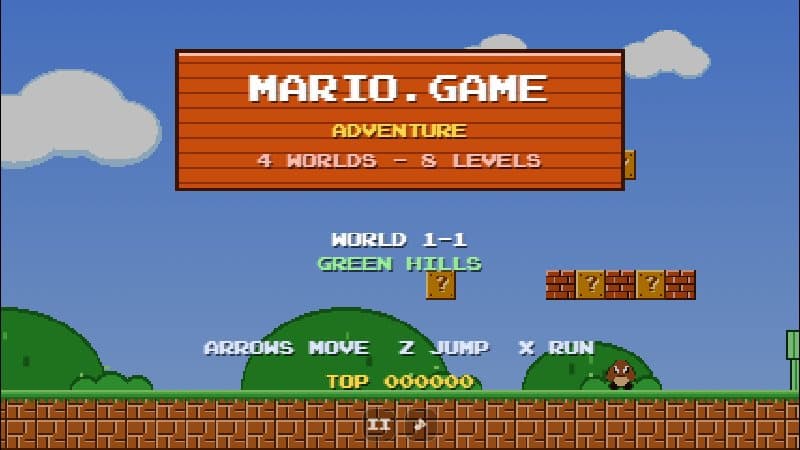
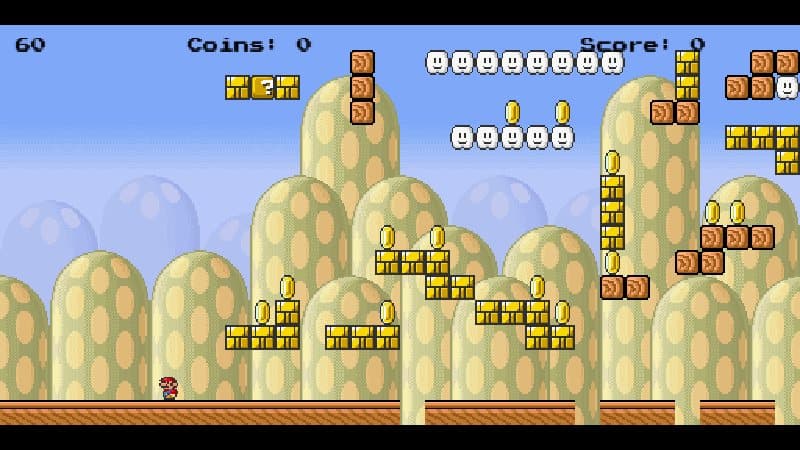
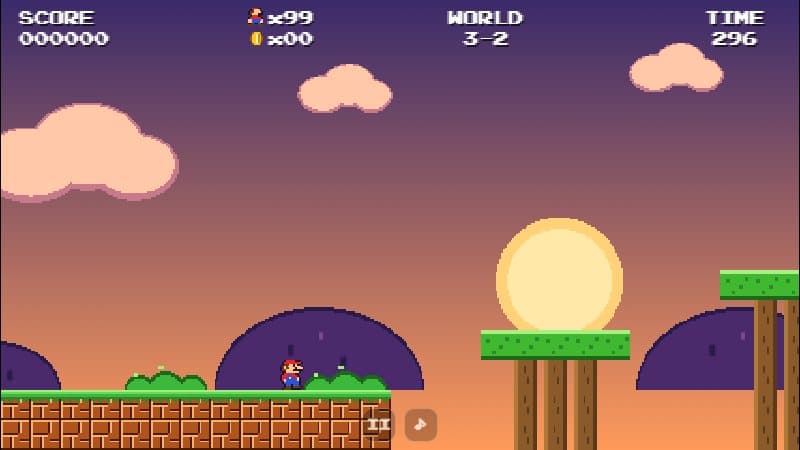
Open-source developers keep revisiting the game to learn how it works. On Mario.Game you can play two different recreations of World 1-1 (Mario.js and Phaser 3), endless random levels from Infinite Mario and MariOCaml, and even build your own level.
Explore more
See the full history timeline of the series, from Jumpman in 1981 to today, and meet the cast on our characters page.